
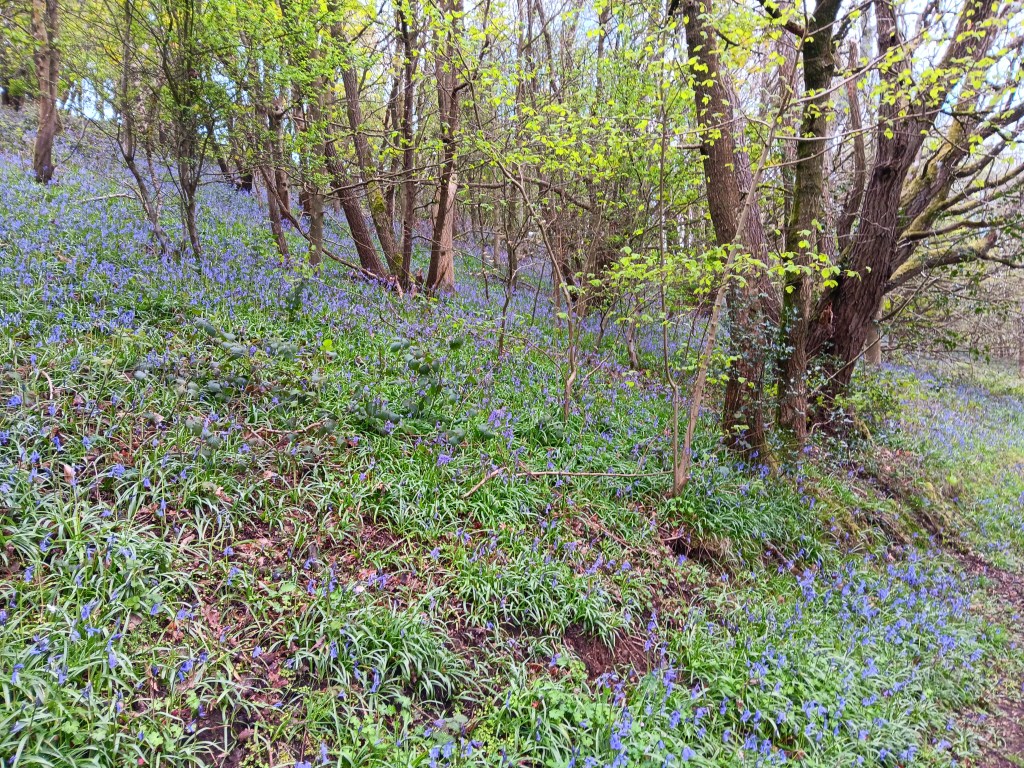
This morning’s trail run turned into an unexpected planning a teaching lesson moment.
While running across the Malvern Hills, I stopped to take photos of many patches of bluebells in full bloom, these real-world observations can be used to spark curiosity for GCSE Biology students and these photos can become the starting point for inquiry-based learning:
• Why do bluebells bloom in April?
• What environmental factors influence flowering time?
• How might light availability, temperature, and competition affect growth?
Students will then design a simple investigation by plotting a graph of bluebell abundance from April to June.
This will allow them to:
Analyse seasonal trends
Interpret ecological data
Discuss woodland canopy cover and light availability
Link observations to plant adaptation and life cycles
Using something as simple as a morning run connects field observation with data analysis and scientific thinking. It’s a reminder that science learning doesn’t always start in the lab — sometimes it starts on the trail.

