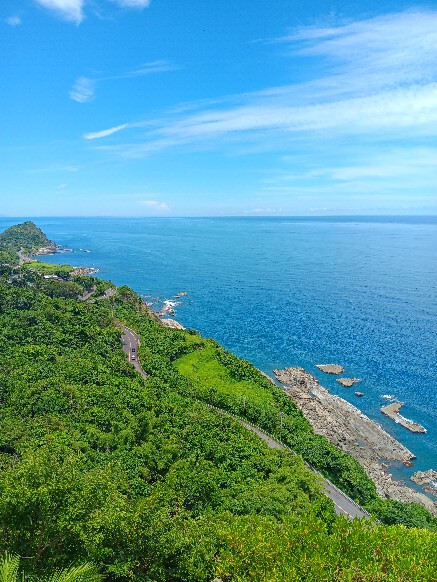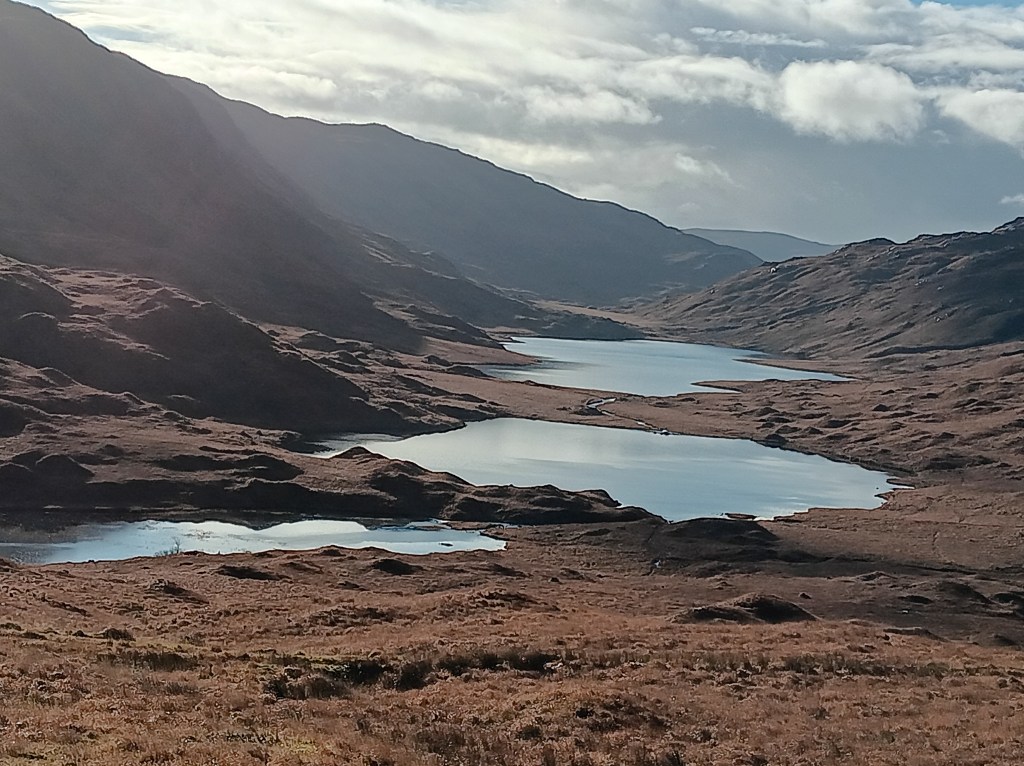
Geography helps us understand the relationships between people, places and the environment. Through online learning, photography and outdoor exploration, students are encouraged to investigate the natural world and develop a broader understanding of global issues.
Lessons can support primary, secondary and international students through a range of cross-curricular activities that connect geography with science, English and environmental education.
Areas of Study
- Physical and Human Geography
- Climate Change and Sustainability
- Habitats and Ecosystems
- Coastal and Environmental Studies
- Map and Fieldwork Skills
- Global Cultures and Communities
- Outdoor Learning and Photography
Using real-world examples from different countries and landscapes, students develop observation, analytical and critical thinking skills while connecting classroom learning with the wider world.
Education can extend beyond the classroom. Through outdoor observation, photography and online discussion, students are encouraged to connect science, geography and culture with the world around them.
Lessons use real-world environments to develop curiosity, critical thinking and environmental awareness. Whether exploring a local park, coastline, woodland or city, students learn to observe, question and investigate the landscapes they encounter.
This cross-curricular approach supports geography, science, English and environmental studies while fostering a greater appreciation of global communities and the natural world.
Geography Through Landscapes
Geography helps us understand the relationships between people, places and the environment. Through photography, field observation and online learning, students explore landscapes from both local and international perspectives.
Topics may include:
- Physical and human geography
- Climate and sustainability
- Rivers and coastlines
- Habitats and ecosystems
- Global cultures and communities
- Map and fieldwork skills
Students are encouraged to connect classroom learning with real-world experiences and develop a broader understanding of the changing world around them.
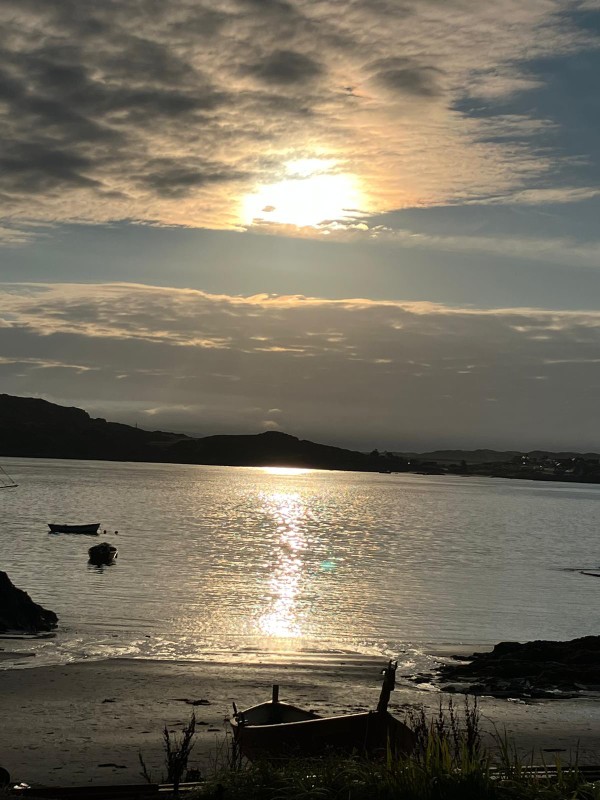
Tuition on the Go
Learning can happen anywhere.
Tuition on the Go encourages students to take their learning beyond the desk by observing the places around them and sharing their experiences during online lessons.
Students may photograph a local landscape, park, coastline, woodland or urban environment and use these images to explore geographical and scientific themes. Activities can include:
- Identifying habitats and ecosystems
- Comparing local and international environments
- Investigating weather and climate
- Developing observation and fieldwork skills
- Building descriptive and academic writing
- Presenting and discussing findings online
This interactive approach helps students connect with their own communities while developing a wider understanding of landscapes across the world.