
Connecting science, geography and the natural world through outdoor and on-line learning
Exploring Coastal Biology
Coastal environments provide a natural outdoor classroom where students can investigate the relationships between plants, animals and their habitats. Through online resources, photography and field-based activities, lessons encourage learners to explore biodiversity, ecosystems and the importance of conserving fragile coastal environments.
Topics include:
- Marine and coastal ecosystems
- Food chains and food webs
- Adaptation and survival
- Biodiversity and conservation
- Human impact on coastal environments
- Scientific observation and data collection
A Global Perspective
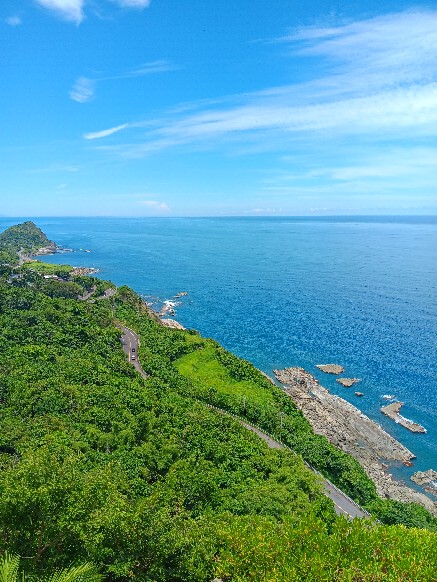
From the British coastline to international coastal landscapes, students can compare different habitats and explore how climate, geography and human activity influence marine environments around the world.
Using photographs and real-world examples from different countries and landscapes, students are encouraged to develop scientific enquiry skills while gaining a broader understanding of the natural world.
Learning Through Stories and Landscapes
Through the use of storytelling and real-life experiences, students explore themes of resilience, community and personal growth while developing their English language and communication skills.
Lessons encourage learners to examine narrative structure, reflect on different perspectives and discuss how journeys can shape identity and understanding. Activities support reading, writing, speaking and listening skills, while promoting critical thinking, empathy and cultural awareness.
This cross-curricular approach complements English, Personal, Social, Health and Economic (PSHE) education and outdoor learning by encouraging students to connect with people, places and the natural environment through meaningful experiences and shared stories.

Science and Outdoor Learning
The natural environment provides a rich and inspiring setting for learning. Through outdoor activities, photography and practical investigations, students are encouraged to observe, question and develop a deeper understanding of the world around them.
Habitats and Natural Environments
For younger learners, outdoor science sessions introduce key concepts through hands-on exploration. Activities may include investigating habitats, identifying plants and wildlife, understanding ecosystems and developing observation skills that encourage curiosity and scientific enquiry.
Biology Through Creative Learning
Interactive biology workshops combine theory with practical activities to help students understand the structure and function of the human body. Topics such as muscles, bones, the heart, nervous system and respiratory system can be explored through creative model building and visual learning techniques, supporting KS3 and KS4 biology studies.
Geology and Geography
Lessons explore the Earth’s landscapes, natural resources, climate and changing environments through experiential learning and real-world examples. Students develop geographical and scientific understanding while building an appreciation of the relationship between people, places and the natural world.
Habitats & Natural Environments. At KS1/2 our engaging science lessons are conducted outdoors, utilizing the natural environment whilst developing the senses and curiosity in children in a natural setting. These hands-on lessons will keep children captivated and wanting to explore more in this field.


