
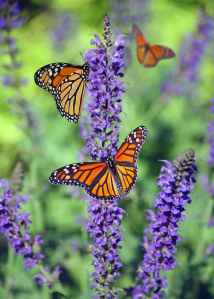
Teachers can engage children in science lessons outdoors, by encouraging a fun and educational learning experience. Here are some ideas to get started:
- Nature Walks: Take the children on a guided nature walk where they can observe and explore different plants, insects, birds, and animals. Encourage them to ask questions and discuss what they observe.
- Field Journals: Provide the children with field journals or notebooks to document their observations. They can draw pictures, write descriptions, and note down any interesting findings during their outdoor exploration.
- Habitats and Ecosystems: Teach children about different habitats and ecosystems by exploring the, such as visiting a pond, forest, or garden and discuss the different organisms that live there. Encourage them to observe the interactions between plants, animals, and the environment.
- Plant Identification: Teach children how to identify different plant species. Help them recognize common plants and trees in their own surroundings. They can learn about leaves, flowers, and other characteristics that distinguish one plant from another.
- Insect Hunts: Engage children in insect investigations. Teach them about different insect species, their anatomy, and their role in the ecosystem.
- Bird Watching: Introduce children to different birds by going bird watching. Teach them about different bird species, their behaviour, and how to identify them based on their colours, sizes, and songs. Bring along binoculars to enhance the experience.
- Life Cycles: Explore life cycles by focusing on specific organisms like butterflies, frogs, or plants. Children can observe the different stages of development.
- Investigations: Conduct simple experiments outdoors to teach scientific concepts. For example, studying the effect of sunlight on plant growth, investigating the pH of soil or water in different areas, or testing the impact of pollution on local organisms.
- Science Projects: Engage children in citizen science initiatives where they can contribute to real scientific research. There are various online platforms that allow kids to participate in data collection or contribute to ongoing research projects.
- Nature Games, stories and Activities: Organize interactive games and activities that promote learning about biology in a fun way. For instance, scavenger hunts based on plant or animal characteristics, nature-based puzzles, or outdoor quizzes and stories linked to nature.
 SG Education